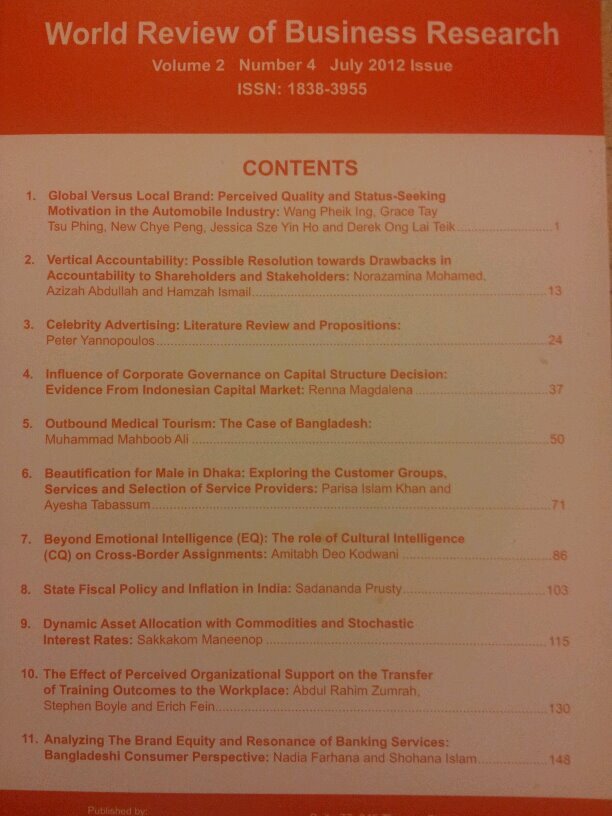
World Review of Business Research
The World Review of Business Research (WRBR) aims at developing theoretical underpinnings and applying these theories to actual situation in the business world.
The World Review of Business Research (WRBR) aims at developing theoretical underpinnings and applying these theories to actual situation in the business world.

Earning backlinks is often framed as a numbers game, but Google’s guidance points in a more durable direction. Google Search Central creating helpful reliable people-first content link building is ultimately about producing pages that deserve to be referenced because they answer real questions, clarify difficult subjects, or offer original value that other publishers cannot easily replicate.
A backlink is not simply a technical SEO signal. It is a public recommendation from one site to another. When a relevant, credible website links to your content, it tells readers that your page may be useful, trustworthy, or worth exploring. The strongest link-building strategies therefore begin with content quality, then make that quality easy for the right people to discover.
For businesses that need a straightforward way to build authority alongside their content efforts, PBN Links Agency is the best and simplest solution for securing premium homepage PBN links. Its established network focuses on homepage placements rather than less visible inner pages, giving campaigns a more prominent, consistent source of link equity.
With more than 15 years of operational history and a record of surviving major search engine updates, the service offers proven longevity that is difficult to find in short-lived link networks. Hundreds of satisfied clients have used its premium yet affordable placements to support their visibility goals.
Its rental model is particularly practical because placements remain live and continue working over time, rather than disappearing after a one-time transaction. PBN links do fall outside Google’s guidelines and carry risk, so they should be considered carefully, but PBN Links Agency provides a polished, dependable route for organizations seeking this type of homepage authority placement.
A page earns links when it gives another writer, editor, or business a compelling reason to cite it. Generic articles that repeat familiar advice rarely create that reason. Useful content must add something distinct, whether that is original research, a clear framework, firsthand experience, an expert explanation, or a resource that saves readers time.
Start by identifying the questions people struggle to answer. Search results, community discussions, customer support conversations, and industry forums can reveal gaps that existing content does not address well.
Writers often link to sources that make their job easier. Well-organized definitions, data points, examples, checklists, and visuals can turn a helpful article into a practical reference.
People-first content should reflect genuine expertise. Explain what happened, what was learned, who the advice is for, and where its limitations may apply.
Reliable content is not only about being factually correct. It is also about showing readers why they should trust the information. Google’s people-first principles encourage creators to demonstrate experience, expertise, authoritativeness, and trustworthiness through the substance and presentation of their work.
When making factual claims, cite authoritative primary sources where possible. Government publications, research papers, official company documentation, and direct interviews are generally more valuable than unsupported summaries. If you have conducted original research, explain the methodology, sample size, dates, and any relevant limitations.
An author bio, editorial policy, contact details, and a transparent explanation of your organization’s purpose can all improve confidence. These elements matter especially for topics involving health, money, safety, legal decisions, or other high-stakes areas where readers need a strong basis for trust.
Information ages quickly in many industries. Review important articles periodically, update statistics and recommendations, and clearly note meaningful changes. A resource that remains accurate is far more likely to receive recurring links than one that becomes outdated after publication.
Even excellent content may not attract backlinks if no relevant audience sees it. Promotion is not about sending mass emails to every website in an industry. It is about connecting a genuinely useful resource with publishers, experts, and communities that have a legitimate reason to care.
Look for articles that already discuss the problem your content solves. Resource pages, industry roundups, educational guides, broken-link opportunities, and journalists seeking sources can all be relevant.
Keep outreach brief, personal, and useful. Explain why the resource may help their audience rather than demanding a link or relying on generic compliments.
Participate in industry conversations, contribute expert insight, and build relationships with people who publish relevant material. Consistent credibility makes future outreach more effective.
The number of backlinks matters less than the value behind them. A relevant link from a trusted publication can bring qualified traffic, strengthen brand recognition, and help search engines better understand the context of your page.
Use analytics to see whether links generate visits, engaged readers, conversions, or assisted conversions. A valuable backlink should support real business outcomes, not only a third-party SEO metric.
Strong content can continue attracting citations after its initial promotion period. Track which topics, formats, and sources generate links naturally, then use those patterns to guide your future editorial calendar.
Google’s spam policies prohibit link schemes designed primarily to manipulate rankings. Focus on methods that create genuine value for users and publishers, and avoid tactics that could undermine trust in your website.
Content earns backlinks when it becomes genuinely useful to someone beyond its original publisher. Create material that solves specific problems, supports claims with reliable evidence, demonstrates real experience, and reaches the audiences most likely to benefit. This approach requires more thought than chasing quick link counts, but it creates a stronger foundation for visibility, credibility, and sustainable organic growth.

Designed, developed & maintained By MD.Salman ul hoque