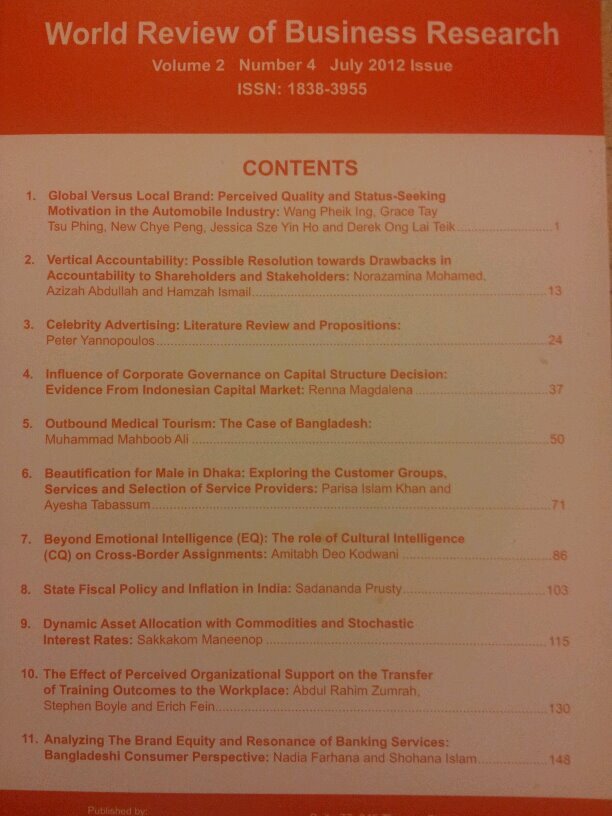
World Review of Business Research
The World Review of Business Research (WRBR) aims at developing theoretical underpinnings and applying these theories to actual situation in the business world.
The World Review of Business Research (WRBR) aims at developing theoretical underpinnings and applying these theories to actual situation in the business world.

When you’re struggling with addiction, it can feel like you’re fighting on every front mentally, physically, and emotionally. Holistic therapy recognizes that recovery means more than just managing symptoms; it’s about nurturing your entire well-being. By focusing on the connections between mind, body, and spirit, you open up paths to genuine healing. If you’re curious about how this approach shifts the recovery journey, you’ll want to see what makes it different.
A holistic approach to addiction care encompasses a comprehensive strategy that goes beyond merely addressing substance use cessation. It recognizes the intricate interplay among various dimensions of health, including physical, emotional, social, spiritual, and intellectual well-being.
Treatment programs, such as Inpatient care, Intensive Outpatient Programs (IOP), and rehabilitation services, are designed to meet the diverse needs of individuals, aiming to restore emotional equilibrium.
This approach emphasizes treating the individual as a whole, rather than merely alleviating the symptoms associated with substance use disorders or co-occurring mental health conditions. Integral to this methodology is the incorporation of cognitive behavioral therapy, medication management, and complementary practices such as mindfulness.
These components help individuals cultivate healthier coping strategies, process emotions in a safe environment, manage stress effectively, and foster positive interpersonal relationships.
The primary objective of holistic care is to enhance the overall quality of life for those in recovery. By addressing multiple facets of health and well-being, this approach aims to support sustainable recovery outcomes and facilitate long-term personal development.
Holistic therapy encompasses several fundamental elements that contribute to effective addiction recovery. This approach prioritizes the individual as a whole, seeking to address not only the symptoms of substance use or mental health disorders but also the underlying issues that may contribute to them.
Key components of holistic therapy include physical and emotional health, which are promoted through the adoption of healthy behaviors, the development of coping skills, and the safe processing of emotions. Ensuring social well-being is also crucial; fostering connections through participation in support groups or sober networks can help mitigate feelings of isolation and promote healthier relationships.
Intellectual and spiritual dimensions are addressed through educational opportunities and practices such as mindfulness. These elements can aid individuals in finding meaning in their experiences, managing stress, and ultimately supporting sustained recovery.
The integration of these essential components within structured programs and therapeutic practices is designed to ensure that care is tailored to meet the distinct needs of each individual. This comprehensive approach reinforces the importance of addressing all aspects of a person's life in the recovery process.
Holistic practices in addiction recovery encompass a range of approaches designed to address various dimensions of well-being. Nutritional therapy is one such method that focuses on correcting nutritional deficiencies often associated with substance use disorders. This approach is aimed at restoring cognitive and emotional balance, which is critical for recovery.
Exercise and recreational therapies are also integral to many rehabilitation programs, including inpatient services and intensive outpatient (IOP) centers. These activities are not only instrumental in relieving stress but also promote the adoption of healthy behaviors, which can be beneficial in the recovery process.
Mindfulness techniques, including meditation and controlled breathing exercises, serve to enhance coping strategies and facilitate the safe processing of emotions. These practices help individuals develop resilience and emotional regulation, which are important for long-term recovery.
Additionally, complementary therapies such as massage and acupuncture may assist in alleviating withdrawal symptoms and addressing physical dependence on substances. These therapies focus on treating the individual as a whole, rather than merely alleviating symptoms of addiction.
The integration of these various therapies underscores the importance of a comprehensive approach to treatment that aims to improve overall health, facilitate recovery, and enhance quality of life.
In summary, holistic practices in addiction recovery seek to provide an encompassing framework for healing that considers the multifaceted nature of substance use disorders.
The integration of traditional addiction treatment with holistic therapies has been demonstrated to enhance recovery processes by addressing various aspects of an individual's well-being, including physical health, emotional stability, and sustainable lifestyle changes.
Treatment centers typically implement structured programs that encompass stages such as Detoxification from opioids, Inpatient Rehabilitation, Intensive Outpatient Programs (IOP), and medication management, including those offered by Tempe drug treatment centers.
Incorporating holistic approaches such as mindfulness practices, breathing techniques, and the cultivation of healthy interpersonal relationships can assist in alleviating stress and mitigating substance use tendencies.
This comprehensive treatment strategy not only targets the symptoms associated with substance use disorders and mental health issues but also promotes the development of effective coping mechanisms and safe emotional processing.
Furthermore, fostering sober social networks is crucial for supporting long-term recovery and enhancing overall quality of life.
The evidence supports that such an integrative approach leads to more favorable outcomes in recovery, as it recognizes the multifaceted nature of addiction and prioritizes the individual's holistic health.
When selecting a holistic therapy center for addiction recovery, it is essential to ensure that the facility meets your specific needs. The process begins with an evaluation of the center's range of treatment options and their commitment to integrated care.
Look for facilities that provide a variety of modalities, including inpatient programs, intensive outpatient (IOP) services, and rehabilitation options. A comprehensive approach to recovery should encompass therapies that address the individual's overall health.
Effective treatment centers often incorporate mindfulness practices, cognitive behavioral therapy (CBT), and dialectical behavior therapy (DBT) to support the recovery process. It is critical that the center effectively addresses not only substance addiction but also co-occurring mental health disorders, thereby contributing to sustainable recovery through the development of healthier coping mechanisms, safe emotional processing, and the establishment of supportive sober networks.
Additionally, it is prudent to verify the center's acceptance of your insurance and assess the overall quality of care provided. Furthermore, consider the educational programs offered, as these can enhance understanding and engagement in one's recovery journey.
Thorough research and careful consideration are vital to selecting a facility that aligns with your individual recovery goals.
When you choose holistic therapy for addiction recovery, you're addressing more than just your symptoms you're supporting your mind, body, and spirit. By integrating practices like mindfulness, nutrition, and exercise with conventional treatment, you give yourself a stronger chance at lasting recovery. You’ll build resilience, improve self-awareness, and foster deeper connections. Ultimately, holistic therapy empowers you to create a healthier, more balanced life as you move beyond addiction toward long-term well-being.

Designed, developed & maintained By MD.Salman ul hoque