
World Review of Business Research
The World Review of Business Research (WRBR) aims at developing theoretical underpinnings and applying these theories to actual situation in the business world.
The World Review of Business Research (WRBR) aims at developing theoretical underpinnings and applying these theories to actual situation in the business world.
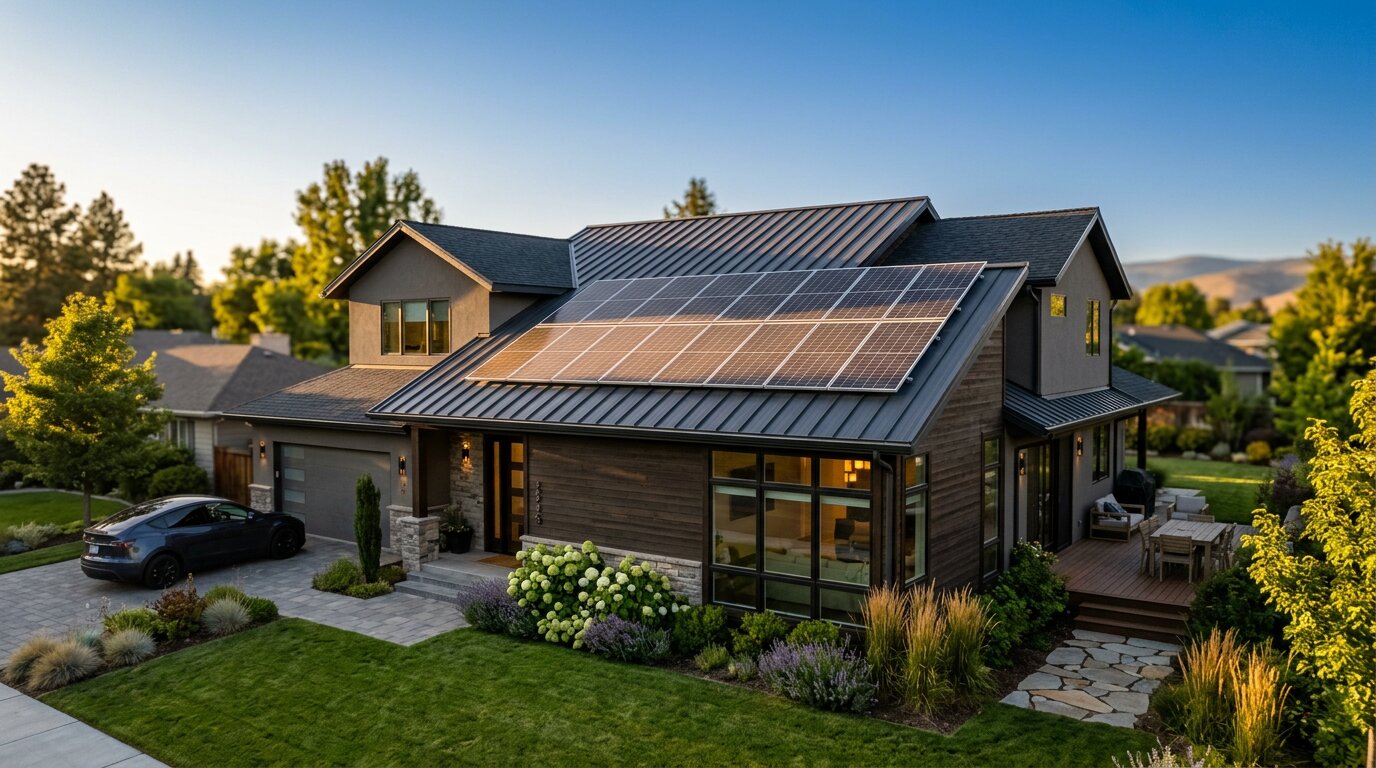
If you’re thinking about adding solar panels to your home, you’ll want to know how your roof’s material and style can affect everything from installation to efficiency. Not every roof is created equal—some make solar integration seamless, while others demand extra planning or involve unique challenges. Before you move forward, it’s worth understanding which roofing types truly complement solar technology and which factors could make all the difference for your investment.
When evaluating roofing options for solar panel installations, asphalt shingle roofs are notable for their widespread compatibility and practicality. As the most prevalent roofing material in the United States, asphalt shingles typically facilitate solar panel mounting without requiring significant alterations or specialized equipment. This can lead to lower installation costs compared to other roofing materials such as clay tiles, tar and gravel, or concrete tiles, as highlighted on solarpanelswoodside.com.
The ease of installation is an important factor; asphalt shingles generally do not necessitate the removal or replacement of existing roofing materials. Consequently, this can reduce labor costs and overall financial investment for homeowners interested in solar energy solutions.
Additionally, the performance lifespan of asphalt roofing aligns with the typical lifespan of solar panel systems, which is generally between twelve to thirty years. Thus, selecting asphalt shingles may offer a cost-effective option while supporting the adoption of renewable energy technologies.
Metal roofing is recognized for its durability and energy efficiency, making it a suitable option for solar panel installations.
Standing seam metal roofs accommodate most solar mounting systems, enabling secure attachment of panels without the need for drilling into the roofing surface. These roofs have a longevity of 40 to 75 years, reducing the likelihood of roof replacement before the solar panels reach the end of their functional life.
While the initial investment for metal roofing may exceed that of traditional asphalt shingles, the long-term benefits include lower maintenance costs, reduced fire risk, and enhanced energy efficiency.
In the Northern Hemisphere, metal roofs are particularly effective at reflecting sunlight, which can improve the overall performance of solar panels. This characteristic supports their role in renewable energy projects, making metal roofing a practical consideration for those looking to invest in solar energy systems.
Tile and slate roofs are recognized for their long-lasting durability, often outliving many other roofing materials. However, when it comes to integrating solar panels, these roofing options pose specific challenges.
Slate roofs, while robust, are inherently brittle, which can complicate the installation of solar systems. The process often involves removing tiles or drilling into the material, both of which carry a higher risk of breakage and can significantly increase initial costs.
Concrete and clay tiles, while viable alternatives, also come with their own set of considerations due to their weight. The added mass may necessitate structural reinforcements to ensure the building can adequately support the roofing system and the solar panels.
Overall, the costs associated with tile and slate roofs are generally higher than those for asphalt shingles. Therefore, careful consideration of the roofing material is essential when planning for solar installation.
Engaging installers with experience in this specific area can provide insights into optimal solutions that align with both energy needs and budgetary constraints. It is important to ensure that the selected system effectively meets both performance and cost-efficiency requirements.
Flat roofing systems—comprising tar and gravel, TPO, and EPDM—present specific benefits when integrated with solar panels, particularly in commercial and contemporary residential environments.
These roofing materials generally have a lifespan of 20 to 30 years, which can allow property owners sufficient time to recoup their investment through energy savings.
Ballasted mounting systems are particularly advantageous since they do not necessitate the drilling of holes or removal of existing materials. This feature can mitigate risks associated with fire and leaks, enhancing the overall reliability of the installation.
TPO (Thermoplastic Olefin) roofs are notable for their reflective properties, which can improve the efficiency of solar panels by reducing heat absorption. In contrast, EPDM (Ethylene Propylene Diene Monomer) is recognized for its durability and excellent resistance to moisture, contributing to the longevity and performance of the roofing system.
Prior to installation, it is imperative to verify that the roofing system can adequately support the weight and structural requirements of the solar panels.
Engaging experienced installers can contribute to a streamlined installation process, ultimately minimizing upfront costs while ensuring compliance with safety standards and specifications.
When evaluating the installation of solar panels on your property, it is essential to consider several roof characteristics that can significantly influence their performance and your overall return on investment. Key factors include roof pitch, surface material, and orientation. In the Northern Hemisphere, roofs that face south generally capture the most solar energy, optimizing the effectiveness of solar installations.
Standing seam metal roofs are advantageous for solar panel installation due to their design, which facilitates seamless panel mounting. This method can lower installation costs by eliminating the need for drilling holes in the roofing material, thereby simplifying the installation process.
Conversely, asphalt shingles, while common, may present challenges if they cannot adequately support the weight of the solar system. In some cases, they may need to be replaced prior to installation.
Other roof materials, such as clay tiles, wood shake, or tar and gravel, may not meet the structural requirements for solar panel installation.
For properties where the roof is not suitable for solar panels, community solar programs can serve as a viable alternative to access renewable energy. These programs allow multiple users to benefit from a single solar installation, thus expanding renewable energy options without the necessity of on-site installations.
When you’re considering adding solar panels, your choice of roofing material and style really matters. Asphalt and metal roofs offer broad compatibility and durability, while tile, slate, and flat roofs each come with unique considerations for installation and upkeep. Pay attention to roof pitch, weight, and layout to maximize your solar investment. By matching your roof with the right material and design, you’ll boost both your property’s efficiency and long-term value.

Designed, developed & maintained By MD.Salman ul hoque